Building a People-First Workforce Strategy and Manufacturing’s Future with Marietta Lee
Building a People-First Workforce Strategy and Manufacturing’s Future with Marietta Lee
Finding and keeping great employees has become one of the defining challenges for business leaders today. Across industries, organizations are competing for talent, navigating changing workforce expectations, and looking for ways to create cultures where people want to stay and grow.
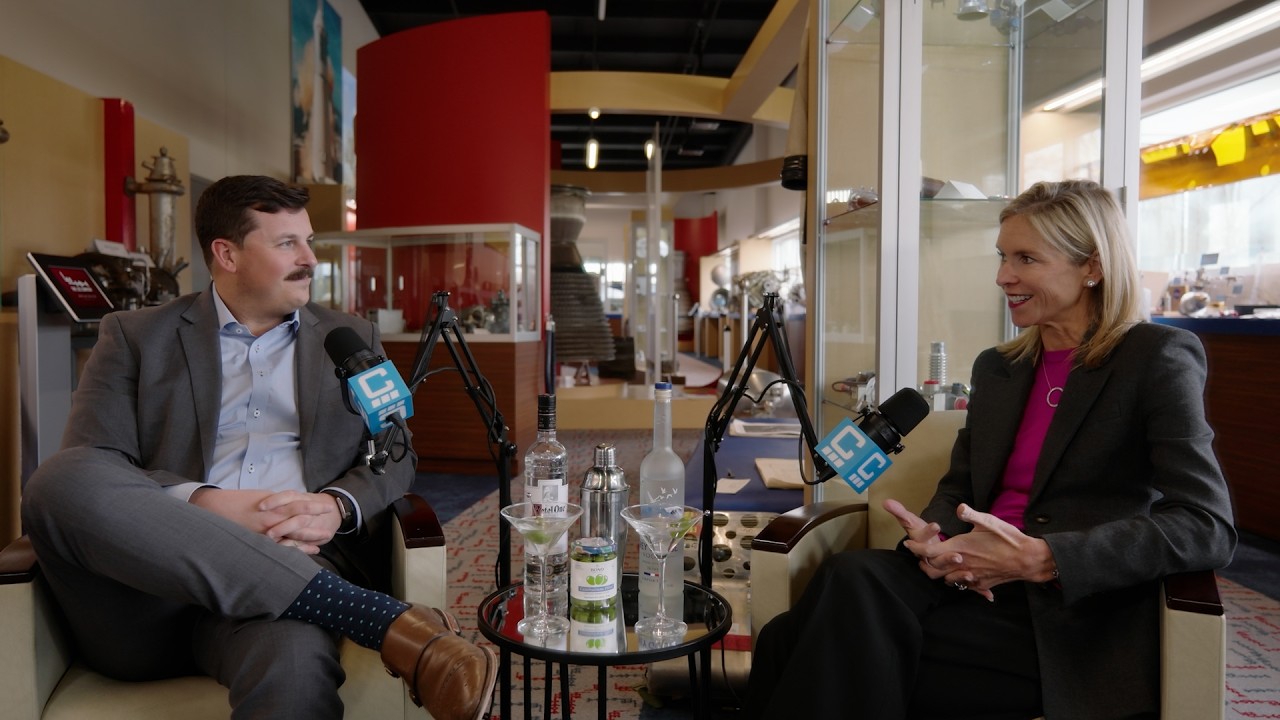
In this episode of One Pour Problems, Marietta Lee, President and CEO of The Lee Company, shares her perspective on leadership, workforce development, and what it takes to build a people-first organization in a rapidly evolving business environment. Drawing from her unique career journey and decades of leadership experience, Lee offers valuable insights into why investing in people remains one of the smartest long-term business strategies.
An Unconventional Path to Leadership
Unlike many manufacturing executives, Marietta Lee did not begin her career in engineering or operations. Before joining The Lee Company, she worked as an investigative journalist, developing a deep appreciation for asking questions, understanding people, and uncovering the stories behind complex challenges.
When she entered the family business, Lee chose to start at the ground level rather than stepping directly into leadership. By learning the organization from the inside out, she gained firsthand knowledge of the company's operations while earning the trust and respect of employees throughout the business.
That experience shaped the leadership philosophy she carries today: credibility is built through understanding the work, listening to employees, and leading with authenticity.
Why a People-First Approach Creates a Competitive Advantage
Throughout the conversation, Lee emphasizes that employee well-being is not simply a human resources initiative—it's a business strategy.
Long before employee experience became a corporate buzzword, The Lee Company recognized the importance of investing in its workforce. Competitive benefits, strong support systems, and a culture focused on employee success have been core components of the organization for decades.
Today, those investments are paying dividends.
As labor shortages continue to impact manufacturers and businesses across the country, organizations with strong cultures and employee-focused values are often better positioned to attract and retain talent. Lee explains that creating an environment where people feel valued, supported, and empowered helps companies differentiate themselves in an increasingly competitive hiring landscape.
Understanding the Next Generation of Workers
One of the most interesting parts of the discussion centers on how workforce expectations are evolving.
Younger professionals often enter the workforce with priorities that differ from previous generations. While compensation remains important, many employees are also looking for purpose, flexibility, growth opportunities, and a sense of belonging within their organizations.
Lee believes companies must adapt to these changing expectations while maintaining clear standards and accountability.
Rather than viewing generational differences as obstacles, she sees them as opportunities to build stronger workplaces. Organizations that listen to employee feedback, invest in career development, and create meaningful pathways for advancement are more likely to succeed in attracting the next generation of talent.
Developing Talent from Within
A recurring theme throughout the episode is the importance of internal development.
Instead of relying solely on external hiring, Lee discusses the value of identifying potential within an organization and helping employees build the skills needed to advance their careers. Internal training programs, mentorship opportunities, and leadership development initiatives create a pipeline of future talent while strengthening employee engagement.
This approach benefits both employees and the organization.
Employees gain access to new opportunities and career growth, while businesses develop leaders who already understand the company culture, values, and long-term objectives.
For organizations facing ongoing workforce challenges, investing in talent development may be one of the most sustainable solutions available.
The Evolution of Manufacturing
As a leader in a traditionally male-dominated industry, Lee has witnessed significant changes throughout her career.
Manufacturing today looks dramatically different than it did even a decade ago. Advances in technology, automation, and precision engineering have transformed many manufacturing environments into highly skilled, innovative workplaces.
Yet despite these changes, outdated perceptions about manufacturing careers still exist.
Lee discusses the importance of educating younger generations about the opportunities available in modern manufacturing. Today's manufacturing careers often involve advanced technology, problem-solving, innovation, and continuous learning—offering rewarding career paths for individuals with a wide range of interests and skill sets.
A Long-Term View of Leadership
One of the strongest takeaways from this conversation is the importance of balancing short-term business goals with long-term workforce investments.
While quarterly performance and operational efficiency matter, sustainable success depends on developing people, building trust, and creating an environment where employees can thrive.
Lee's leadership philosophy reflects a commitment to long-term thinking: prioritize people, invest in development, and build a culture that supports growth at every level of the organization.
As businesses continue navigating workforce challenges and economic uncertainty, those principles may be more relevant than ever.
Listen to the Full Episode
To hear more of Marietta Lee's insights on leadership, workforce strategy, talent development, and the future of manufacturing, listen to the full episode of One Pour Problems. Her perspective offers valuable lessons for business leaders across industries who are focused on building stronger teams, developing future leaders, and creating organizations built for long-term success.

The New Work/Life Balance: Supporting Leaders in a Hybrid World